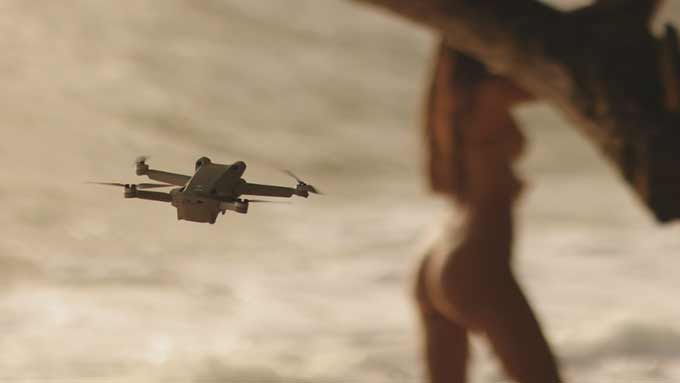
A typical shoot runs six to eight hours. The camera comes out for about three of those. Everything else is preparation, conversation, food, reviewing, adjusting, and me standing in a corner staring at how light hits a wall while the model wonders what I'm doing.
Preparation
Outdoor shoots start with scouting, always at the same time of day I plan to shoot. Morning light and afternoon light are different animals entirely, and a location that looks promising at noon can be useless at 6am. I'm looking for usable natural light, surfaces that complement skin tones, and privacy. When I can't get all three, I sacrifice scenery before I sacrifice privacy.
I talk with the model beforehand. Not just logistics. A real conversation about concept and mood. What references are we drawing from? What does she want these images to feel like? I'll send a moodboard. Sometimes she sends things back. The strongest sessions start with both people chasing the same feeling before we've even met at the location.
For studio work, I sketch lighting diagrams the night before. Key light position, modifier choice, whether I want negative fill from a V-flat. These plans stay loose deliberately. The best studio moments happen when I abandon the plan twenty minutes in because the model did something more interesting than what I'd imagined on paper.
The Shoot Itself
If we're outdoors, I arrive first. For golden hour that usually means 5:30am, walking through wet grass with too much gear and a thermos of coffee. I walk the location again. Light behaves differently day to day. A spot that was perfect during scouting might be blocked by cloud, or a fallen branch might be in my frame.
When the model arrives, we don't shoot. We have coffee. We walk together. I point out spots I like. She points out things I missed. Models notice details I've walked past ten times. A reflection in a rock pool. A patch of moss. A texture on a crumbling wall. I've learned more about my own locations from models' observations than from solo scouting.
We do clothed test shots first. Exposure, framing, background. This also gets the model used to the shutter sound and the rhythm of direction. By the time clothing comes off, the camera is already a familiar object in the space.
I work in blocks of thirty to forty minutes, then break. Each block explores one setup: a position, a lighting angle, a mood. A typical session produces five or six hundred frames. Thirty to fifty make the final cut. That ratio sounds wasteful but most of those frames are the two of us finding our way toward the image together. The keeper is usually frame 47, not frame 1.
During breaks I review on the camera LCD while the model puts on a robe and checks her phone. I flag what's working and show her a few selects. Partly courtesy, but mostly collaborative. She can see what her body is doing from the camera's perspective, and that feedback loop strengthens the next block.
The End
The final hour of a shoot often produces the best work. The model is tired, which paradoxically means she's stopped performing and started just existing. The unforced gestures that show up in that last stretch carry something the earlier, more deliberate poses rarely have.
For golden hour shoots, the light is also changing fast. Colours warm, shadows stretch, the quality shifts minute by minute. I move quickly during this window, sometimes dropping a planned setup because the light is doing something better elsewhere.
When we're done, that's it. I pack up, the model changes, we usually eat together if it's been a long day. I never edit on the same day I shoot. I'm too close to the individual moments and can't see the series objectively yet. The memory card goes in a drawer and I come back to it with fresh eyes two or three days later.